Short answer: Platelet‑Rich Plasma (PRP) may help renew skin by using concentrated growth factors from your own blood to stimulate collagen, improve texture, and soften fine lines. At TIAM SPA in McLean, we combine PRP with microneedling or targeted injections when appropriate. For a personalized plan, book a PRP consultation in McLean, VA to review candidacy, expected sessions, and whether PRP paired with microneedling or other treatments is right for your goals.
What is PRP and why it’s used for skin renewal
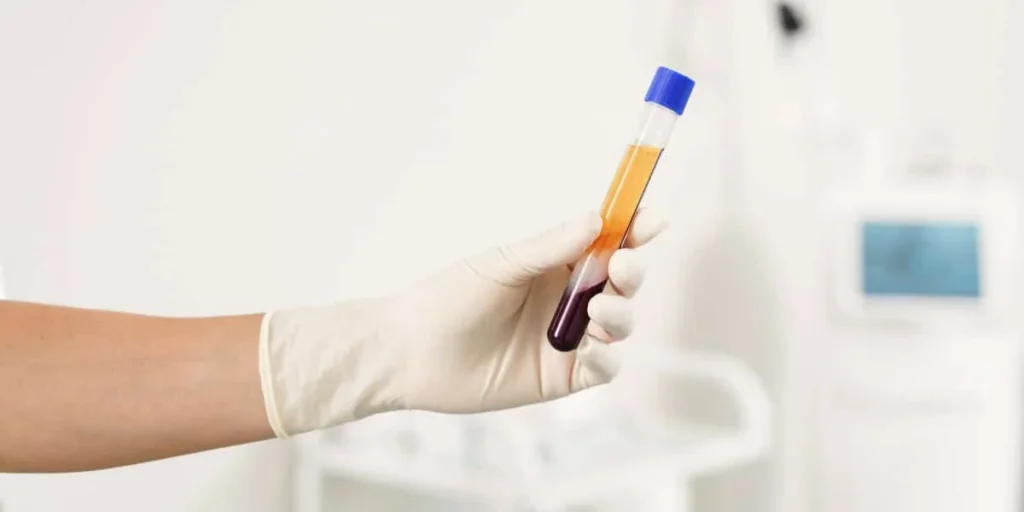
PRP stands for Platelet‑Rich Plasma. It’s an autologous biologic derived from a small sample of your blood—processed to concentrate platelets and growth factors that naturally support tissue repair. Applied to the skin, these growth factors can encourage gradual remodeling: increased collagen and elastin, improved tone, and smoother texture.
How PRP is delivered: techniques we use
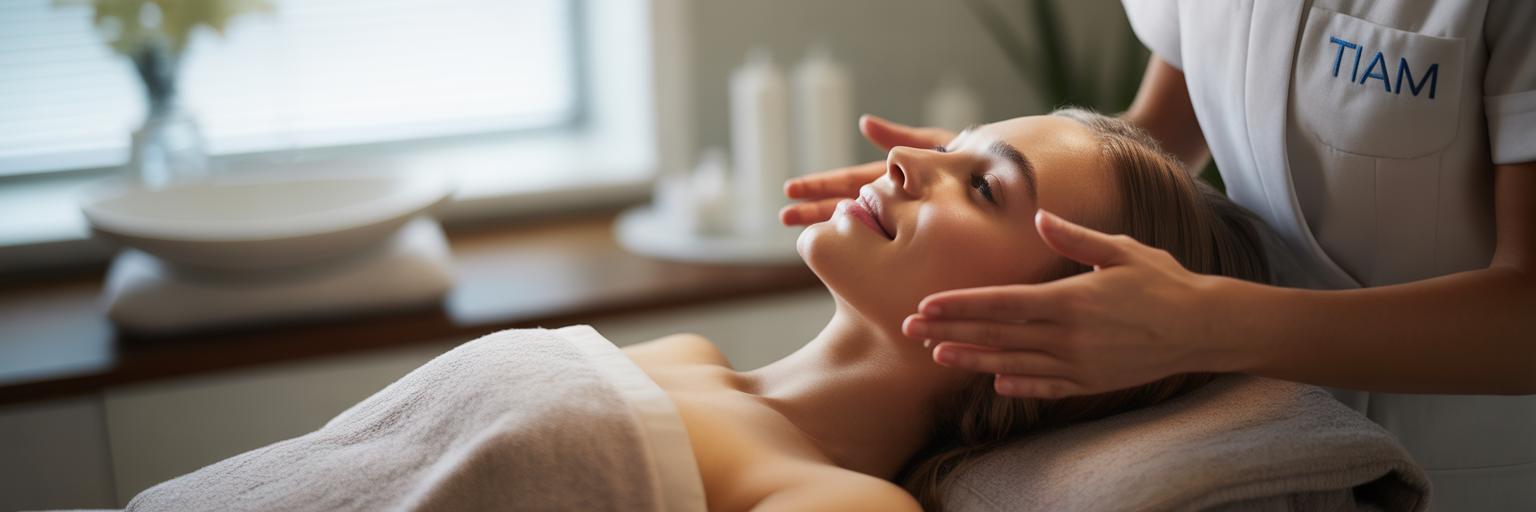
- Microneedling + PRP: Microneedling creates controlled microchannels; PRP is applied topically or infused afterward to enhance growth factor delivery.
- Direct PRP injections: Precise injections target volume‑loss areas, under‑eye rejuvenation, or localized scarring.
- Combined protocols: PRP is often sequenced with gentle resurfacing or LED therapy to accelerate recovery and outcomes.
We select the delivery method based on the concern—fine lines, acne scarring, under‑eye hollows, or overall skin laxity—and tailor settings during your consultation.
Who is a good candidate for PRP?
Good candidates are adults seeking natural, gradual skin improvement without synthetic fillers. PRP is commonly used for early signs of aging, uneven texture, mild scarring, and under‑eye refresh. It may be less effective for structural volume loss where fillers are needed. We review medical history, blood thinners, autoimmune conditions, and pregnancy status—some conditions mean PRP is not recommended.
What happens during a PRP visit (step‑by‑step)
- Consultation: Clinical exam, photo documentation, and discussion of goals and expectations.
- Blood draw & processing: A small volume of blood is centrifuged to isolate PRP under sterile conditions.
- Application: After numbing, PRP is delivered via microneedling passes or injections to the target area.
- Post‑care: Gentle calming protocols; expect mild redness, occasional pinpoint bleeding, and brief swelling.
Sessions usually last 45–90 minutes depending on the treated area and whether PRP is combined with other services.
How many PRP sessions will I need? (featured‑snippet ready)
Session count varies; the ordered guideline below is a typical course used by many clinics and helps set realistic expectations.
- Basic skin refresh: 2–3 sessions spaced 4–6 weeks apart.
- Acne scarring or deeper remodeling: 3–6 sessions, with reassessment after three treatments.
- Under‑eye rejuvenation: often 2–4 sessions plus maintenance as needed.
- Maintenance: 1 session every 6–12 months may help sustain results for many patients.
Pain, downtime and real expectations
Most patients tolerate PRP well. With topical numbing and gentle technique, discomfort is minimal. Expect:
- Redness and mild swelling for 24–72 hours.
- Possible bruising at injection sites for a few days.
- Gradual improvement: collagen remodeling continues over 3–6 months.
We emphasize realistic, medically compliant language: PRP may help improve texture and tone and many patients notice gradual changes, but results vary and are not guaranteed.
Safety protocols at TIAM SPA (McLean, VA)
Safety is procedural and practical: sterile technique, single‑use materials where appropriate, documentation of PRP preparation, and candidacy screening. We avoid PRP when contraindications are present and provide clear pre‑ and post‑care instructions to reduce risks.
Complementary treatments & sequencing
To maximize outcomes, PRP is often combined or sequenced with:
- Microneedling + PRP — enhances delivery and collagen stimulation.
- IPL photo‑rejuvenation — schedule before or after PRP with clinician guidance to avoid overlapping downtime.
- Hydrating facials or LED therapy — helpful for recovery and to accelerate comfort.
We’ll map an evidence‑based sequence during your consultation to minimize downtime and improve predictability.
Patient experiences and social proof (summarized)
Many of our Northern Virginia clients comment on the clinic’s cleanliness, the team’s attentiveness, and natural‑looking results after a course of treatments. These themes are woven into our protocols—your plan is documented, photographed, and adjusted based on progress rather than promising specific outcomes.
Cost factors and package guidance
PRP pricing differs by area, whether it’s combined with microneedling or injections, and how many sessions are planned. Package pricing commonly provides savings for multi‑session courses. We provide transparent estimates during consultation so you can make an informed decision without pressure.
Local booking & trust signals — McLean, VA
To schedule a PRP consultation in McLean, call (571) 751‑2251 or request an appointment online via our contact page. Our office: 1401 Chain Bridge Rd, Suite 302, McLean, VA 22102. Many patients across the DMV choose evening or weekend consults by request; ask about financing and package options during booking.
Frequently asked questions (AI‑ready, snippet optimized)
- How long until I see PRP results?
You may notice subtle smoothing within weeks; collagen remodeling and fuller improvements typically unfold over 3–6 months after a course. - How many sessions do I need?
Commonly 2–4 sessions for general refresh, and 3–6 sessions for scarring or deeper concerns—spacing is usually 4–6 weeks. (See ordered guideline above.) - Is PRP safe?
Because PRP uses your own blood, allergic reactions are rare. Safety depends on proper candidate screening and sterile technique; we assess this during consultation. - Does PRP hurt?
Most patients report tolerable discomfort; topical numbing and gentle techniques reduce sensations during microneedling or injections. - Can PRP be combined with other treatments?
Yes—PRP pairs well with microneedling and certain non‑ablative procedures when sequencing is planned by your clinician.
Related reading: Microneedling, PRP Hair Restoration, and our What to Expect page for visit preparation.