Spa Facials 101 — Which Professional Facial Is Best for Your Skin?
Get a quick, expert answer: the “best” facial depends on your primary concern and downtime tolerance. For instant glow with zero downtime choose a hydrating or HydraFacial; for texture and scar improvement choose microdermabrasion or microneedling; for pigment and pore refinement consider carbon laser or IPL. This guide explains each option, who benefits most, how to prepare, and safe aftercare so you can pick the right treatment with confidence.
Why choose a professional spa facial vs. at‑home care?
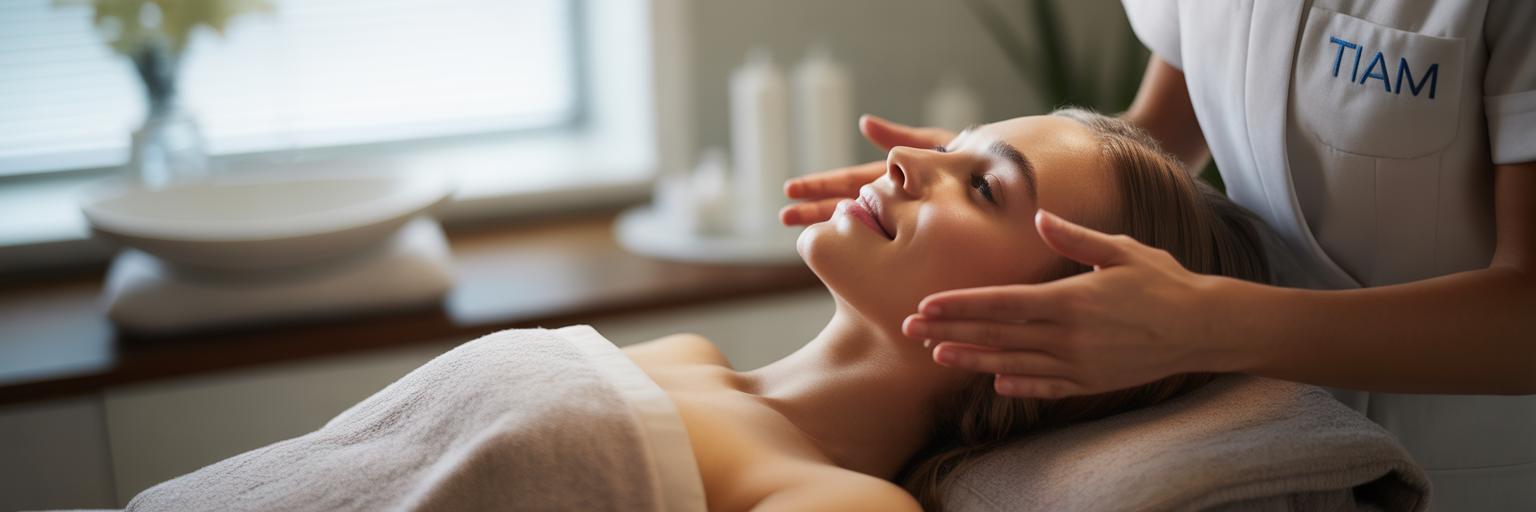
Professional facials combine targeted exfoliation, higher‑strength clinical ingredients, and trained technique to achieve faster, safer results than most at‑home routines. Licensed aestheticians and clinicians can tailor device settings and product strength to your skin type, reducing the risk of irritation or pigment changes—especially important for darker skin tones.
Common facial types — what they do and who they help
Hydrating & classic spa facials — immediate calm and plumpness
Focus: cleansing, gentle exfoliation, hydrating serums and masks. Best for: dry, sensitive, or photo‑event prep skin. Downtime: none. Outcome: instant plumpness and comfort.
HydraFacial — deep cleansing, extraction, infusion
What it does: mechanical vortex‑extraction plus serum infusion for hydration and antioxidant delivery. Best for: oily/combination skin, congested pores, and clients who want brightening without irritation. Learn more: HydraFacial.
Microdermabrasion — surface smoothing and texture refinement
What it does: mechanical exfoliation of dead surface skin to reduce roughness and mild scarring. Best for: rough texture, dullness, and enlarged pores. Downtime: minimal. See details: Microdermabrasion.
Chemical peels — controlled resurfacing for tone and clarity
What it does: acids (AHA, BHA, TCA) accelerate cell turnover to fade pigment and fine lines. Best for: hyperpigmentation, uneven tone. Downtime varies with peel strength. Important: clinician selection and correct peel strength are essential for darker skin tones.
Carbon laser facial — deep pore cleansing and brightness
What it does: topical carbon absorbs oil and pigment; laser energy vaporizes carbon and exfoliates, reducing oiliness and improving tone. Best for: oily skin and pore reduction. Read patient examples and aftercare: Carbon Laser Facial results and carbon peel aftercare.
LED therapy — add‑on for inflammation and healing
Blue LED reduces acne‑related bacteria; red LED supports collagen and calms redness. Painless, no downtime — often combined with facials for faster recovery and better results.
Deeper remodeling: microneedling & IPL photo‑rejuvenation
Microneedling creates controlled micro‑injuries to stimulate collagen (best for scars, texture). IPL targets vascular and pigment concerns (best for sunspots and redness). Both require recovery and strict sun protection: learn more about microneedling here: Microneedling and IPL options at IPL therapy.
How to choose the right facial — a practical decision guide
- Sensitive or reactive skin: start with hydrating facials + LED; avoid medium peels and high‑energy lasers until skin is conditioned.
- Oily, acne‑prone skin: consider HydraFacial, targeted peels or blue LED; schedule acne‑focused protocols with your clinician.
- Sunspots or uneven tone: IPL or carbon laser facials (multiple sessions usually required) performed with sun‑avoidance precautions.
- Texture, acne scarring: microneedling or deeper resurfacing—expect downtime and staged treatments for best collagen remodeling.
Preparing for your facial — pre‑visit checklist
- Avoid strong retinoids and AHA/BHA exfoliants 3–7 days before resurfacing treatments.
- Stop tanning and minimize sun exposure 2+ weeks before IPL, peels, or lasers.
- Bring a list of current skincare and medications (photosensitizing drugs matter).
- Discuss history of pigmentary issues, cold sores, or isotretinoin use with your clinician.
Aftercare highlights — protecting your results
Core steps after most facials: gentle cleanser, fragrance‑free moisturizer, and broad‑spectrum sunscreen SPF 30+. For peels/laser/microneedling: avoid actives (retinoids, acids), hot showers, heavy exercise, and direct sun until the clinician clears you. Contact your provider for prolonged redness, blistering, or unexpected pain—most reactions are temporary but should be evaluated.
Typical timelines — quick glow vs. long term change
- Same day / no downtime: Hydrating facials, HydraFacial, LED therapy.
- 1–2 weeks: Carbon laser facials or light peels—texture and tone improve as redness settles.
- 4–12+ weeks: Microneedling, IPL, and deeper resurfacing—collagen remodeling and pigment reduction continue over months.
Internal resources (recommended reads & related treatments)
- HydraFacial — immediate hydration & extraction
- Microdermabrasion — surface exfoliation for texture
- Microneedling — collagen induction for deeper improvement
- Carbon Laser Facial — before & after and aftercare
- IPL Photo‑Rejuvenation — pigment & redness
FAQ — direct answers for voice search & featured snippets
How often should I get a professional facial?
For general maintenance, every 4–6 weeks is typical. More intensive resurfacing follows a clinician’s schedule based on healing and treatment type.
Are facials safe for all skin tones?
Many facials are safe across skin tones, but lasers and aggressive peels need device settings and clinician expertise to reduce the risk of pigment changes—be sure to disclose skin type and history.
Can I combine facials with other treatments?
Yes — common combinations include LED added to facials or scheduling microneedling and topical therapies in a planned sequence. Your clinician will set safe timing to avoid overlapping recovery windows.
How do I handle prolonged redness after a facial?
Most temporary redness responds to gentle care and sunscreen. If redness, pain, or blistering persists beyond expected recovery, contact your provider promptly for evaluation.
Which facial is best for immediate event prep?
HydraFacial, hydrating facials, or LED therapy provide visible radiance with minimal to no downtime and are ideal 1–7 days before an event.
Responsible clinical note
This guide provides general information, not medical advice. Individual treatment suitability depends on skin type, medical history and medications. Treatments that use lasers, energy devices or needling carry risks—always consult a licensed clinician before proceeding. We do not promise specific results and recommend follow‑up care and sun protection for all resurfacing procedures.
If you’d like a personalized recommendation, schedule a consultation with our team in McLean: Contact TIAM SPA.
Notes for the editor / CMS: Updated H1 for stronger CTR, added internal links to HydraFacial, Microdermabrasion, Microneedling, IPL, Carbon Laser pages. FAQs optimized for short, direct answers. Local trust signals and clinician safety language added from Google Doc reviews. Suggested meta description (not published here): “Spa Facials 101 — Compare HydraFacial, microdermabrasion, chemical peels and carbon laser to pick the right facial for your skin. Safety, prep, and aftercare.”